Describe Two Methods Snakes Use for Killing Prey
These snakes are constrictors killing their prey by wrapping around it and suffocating it. Similar sized kingsnakes and rat snakes have about the same number of muscles which they can use to constrict something or escape.

Prey Handling Behaviours Used By Two Different Species Of Snakes A Download Scientific Diagram
They kill by first biting victims with very sharp teeth and then wrapping their bodies around their prey until it suffocates.

. Some snakes can unhinge their jaws to allow them to swallow large prey while fish-eating birds have long spear-like beaks that they. Most snakes are ambush predators lying in wait to catch their prey. Venomous snakes use venom to.
Elapids belong to a larger group of snakes known as colubroids active foragers that use a variety of methods including venom to capture and. Surprisingly it was only as recently as 2015 that we discovered how they kill their prey. Be to kill all snakes fire ants furbearers hawks and owls.
Kukri snakes were named after the kukri knife which features a curved blade and is used by Nepalese Gurkha soldiers because of their. The prey is struck and held by the teeth and a series of body coils are rapidly thrown around it. Snakes have no limbs or claws to overpower their prey.
Some like cobras and vipers use venom to kill while others like checkered keelback water snakes swallow frogs alive. Depending on the species they will then use capturekill techniques that focus on either constriction or envenomation. That leaves two groups.
Some like the king cobra use a strike-and-hold technique retaining the prey in their mouth until the animal succumbs to the. Once the dirty work is done a venomous snake has two choices. The prey is struck and held by the teeth and a series of body coils are rapidly thrown around it.
Constriction is a method used by various snake species to kill or subdue their preyAlthough some species of venomous and mildly venomous snakes do use constriction to subdue their prey most snakes which use constriction lack venom. In that case you might be a python. Nearly all boids and many colubrids utilize a constriction method for killing their food.
The discovery explains how many snakes determine when their victims are dead. Snakes flick their tongues to detect the chemical signals given off by nearby prey. The venomous fangs of the Amazon puffing snake are a double-edged sword.
Constricting snakes modulate their death squeezes in response to their preys heartbeat. While the frog would kill anything else that would like to eat it the snake will swallow the frog whole and slither on to prey on it another day. Another population of mice enters the area.
This South American tree snake has developed a venom with toxins that target different prey. Predators including big cats birds of prey and ants share powerful jaws sharp teeth or claws which they use to seize and kill their prey. Some like cobras and vipers use venom to kill while others like checkered keelback water snakes swallow frogs alive.
A drought occurs. This enables the snake to identify the exact location of their next meal. The purpose of constriction is to suffocate the prey preventing it from being able to take in air.
Ioral options available to snakes in their methods of constricting Frazzetta 1966. This was likely especially true for those small in stature throughout human history as well as for primates more generally since dangerous snakes were present at the time of the. But they have differences too.
Black mamba snakes poison woman Zoe. Komodos hunt in packs but their method of killing is to charge their prey and attack their underside or throat with their sharp claws and serrated teeth causing rapid blood loss or fatal lacerations. Each scenario is separate not sequential An invasive species of snake arrives to the area that also eats mice.
The deer population of the area increases who eat the same foods as the mice. The pythons and the boas. Snakes have no limbs or claws to overpower their prey.
1 The snake makes coils with its venter toward its own head Fig. Constriction is one of the three basic methods that snakes use to kill their prey. What venomous snakes lack in number of species they make up for in threat.
The study also asserts that the threat of snake predation and competition with snakes over similar prey must have been a consistent pressure for hunter-gatherers. The snake initially strikes at its prey and holds on pulling the prey into its coils or in the case of very large prey pulling itself onto the. Humans move into the area and kill every snake they see.
On paper however the two snakes should be equal matches. Venomous snakes are a much smaller group of snakes at around 300 species Wallach 2020. No fines or jail time and you didnt get your vehicle confiscated you do about wet your britches whenever a wildlife officer drives by but youre not sitting in jailyet.
The water snake takes the lead with its ability to eat and run. Just for a minute lets imagine youre successful and you get them all discreetly. Nonvenomous snakes use various methods to kill their prey such as constrictors that squeeze their prey with their body until it suffocates.
And they are considered primitive snakes with two lungs most snakes have only one and the remnants of hind legs and pelvic bones. In the present study I observed 1472 pred-atory attacks by 500 snakes from 95 constricting species in two families. Some predators such as snakes and fish-eating birds like herons and cormorants swallow their prey whole.
The constricting method used by each snake was broken into three cate-gories.
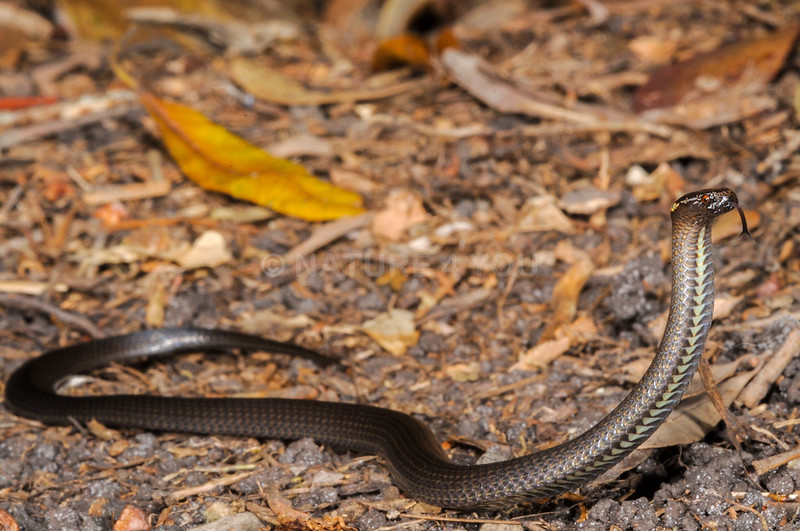
Snake Predation Strategies Part 2 Venom And Constriction
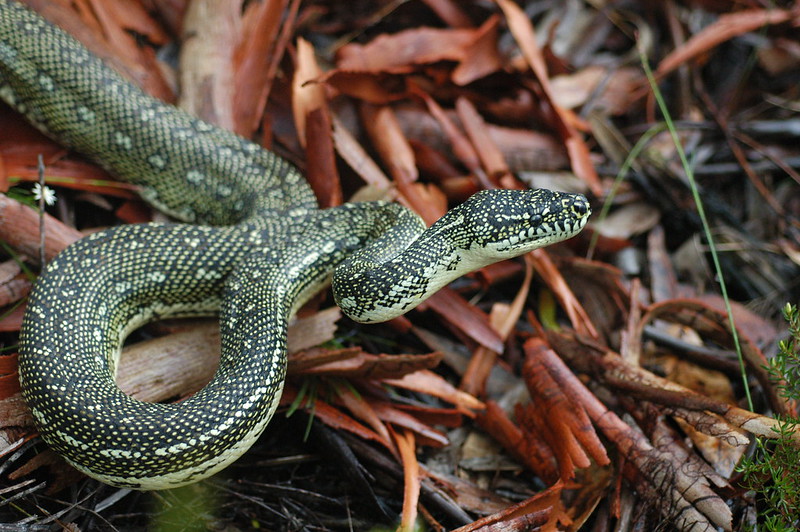
Snake Predation Strategies Part 2 Venom And Constriction
Prey Handling Behaviours Used By Two Different Species Of Snakes A Download Scientific Diagram


Comments
Post a Comment